
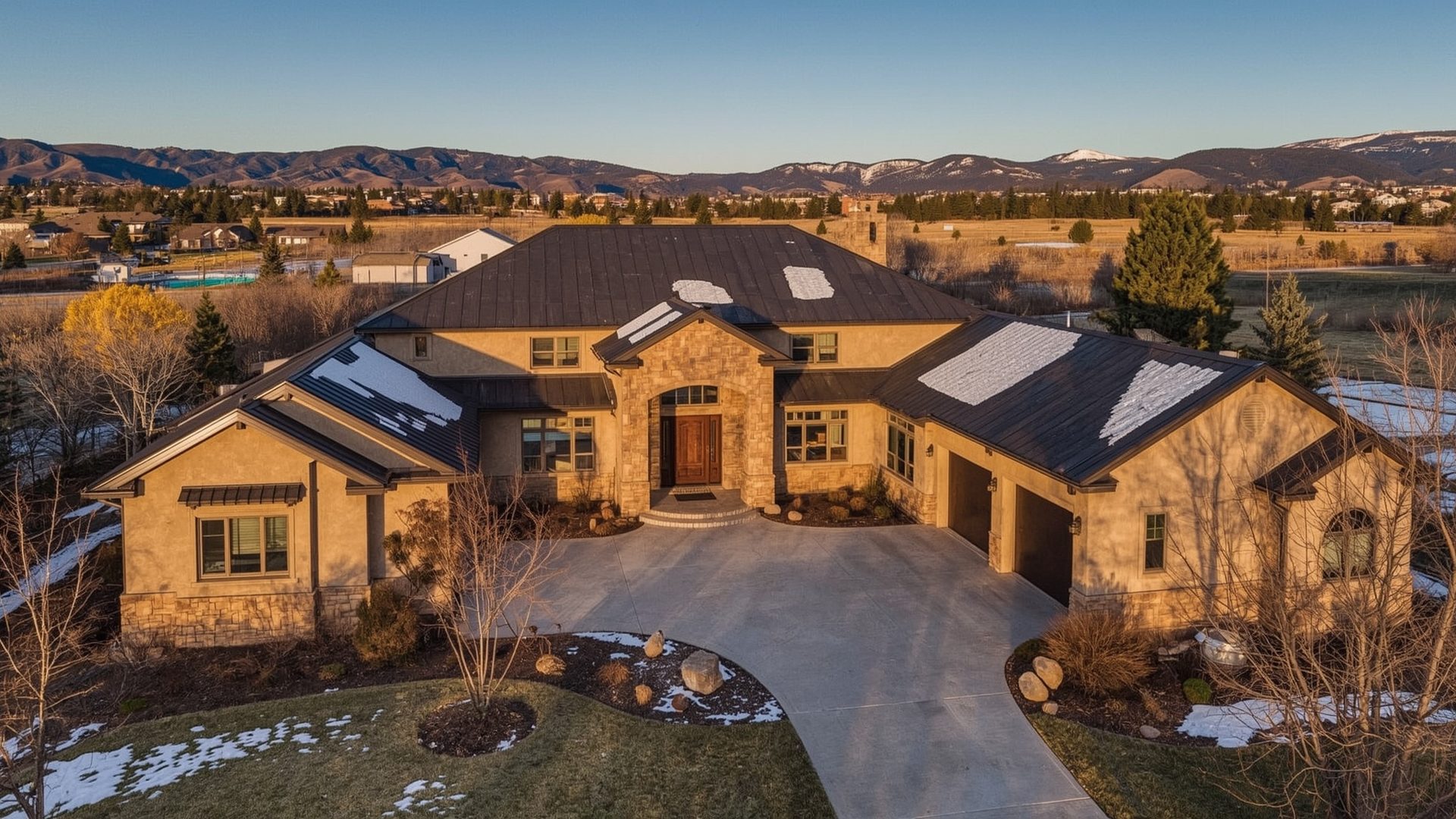
Roof ventilation in Denver means a balanced flow of fresh air into your attic through intake vents at the eaves and out through exhaust vents near the ridge. That airflow keeps the attic close to outdoor temperature, which helps stop ice dams in winter, limits moisture and mold, and protects your shingles or steel panels from heat damage in summer.
Most Colorado homeowners never think about what is happening above the ceiling until a stain appears or the energy bill climbs. A well-ventilated attic quietly protects the most expensive part of your home. Here is how it works, what goes wrong, and what to look for.
Why does roof ventilation matter in Colorado?
Colorado asks a lot of a roof. Cold nights, bright winter sun, heavy snow and hot, dry summers all hit within a single year. Attic ventilation helps your roof handle those swings.
In winter, warm air from the living space rises into the attic. If the attic is not vented well, that warm air heats the underside of the roof deck and melts snow from below. The meltwater runs down to the cold eave, refreezes and builds an ice dam. Water can then back up under the roofing and into the house.
In summer, an unvented attic can trap heat. Hot attic air bakes the roofing materials from underneath, makes the home harder to cool and can shorten the life of the roof system.
What are the signs of poor attic ventilation?
Many problems show up long before a leak does. Watch for these signs:
- Large icicles or thick ice along the eaves after a snowfall
- Snow that melts unevenly on one part of the roof while the rest stays covered
- Frost on the underside of the roof deck or on nails in the attic
- Musty smells, damp insulation or dark staining on rafters
- Rooms below the attic that feel stuffy or very hot in summer
- Curling, cracking or prematurely worn roofing
If you notice more than one of these, it is worth having a roofer take a look at the vents and the attic itself.
How do intake and exhaust vents work together?
Good ventilation is a system, not a single vent. Intake vents sit low, usually in the soffits under the eaves, and let cooler outside air in. Exhaust vents sit high, such as a ridge vent along the peak, and let warm, moist air out. Air moves naturally from low to high, so the two ends have to be balanced.
A common mistake is adding more exhaust without enough intake. The exhaust vents then pull air from the wrong places, including the living space below. Another is blocked soffit vents, where insulation has been pushed against the roof deck and choked off the airflow.
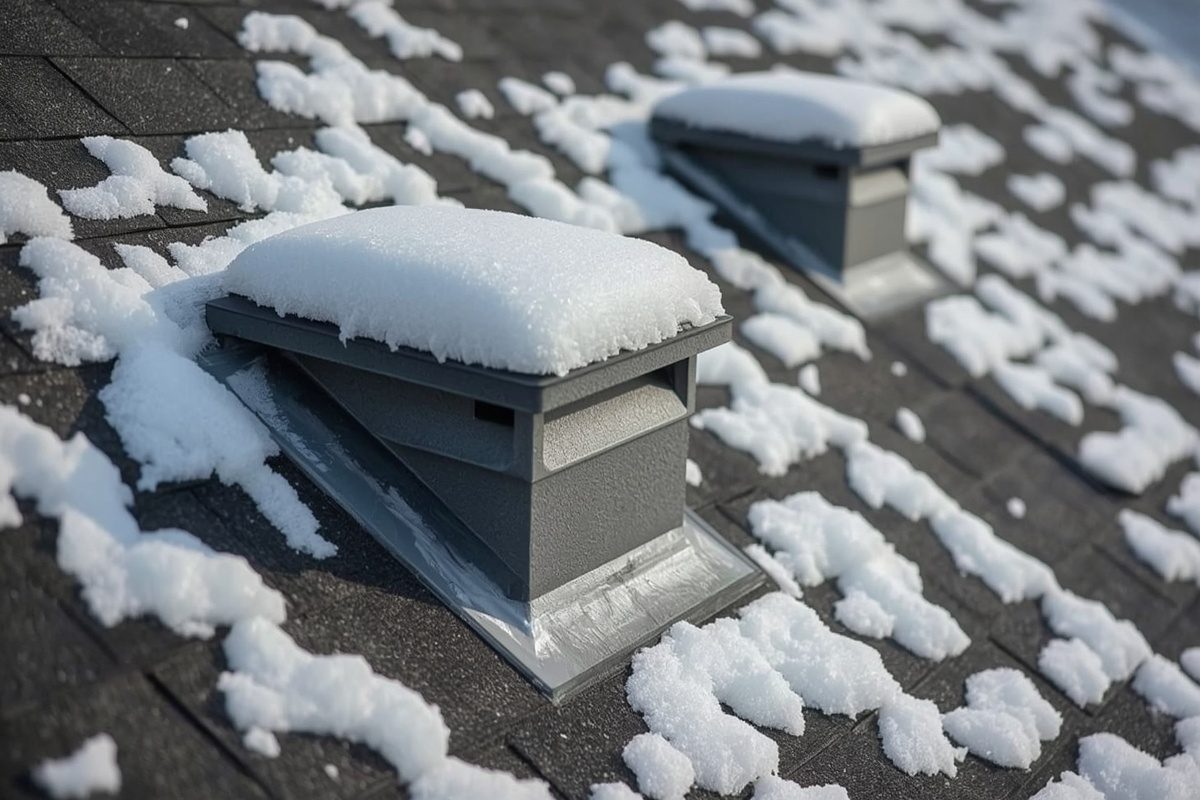
What types of roof vents are common in the Denver area?
There is no single right answer for every home. The roof shape, the attic layout and the roofing material all play a part. These are the most common options:
- Ridge vents run along the peak and give continuous exhaust across the whole roof line.
- Box or static vents are individual vents placed near the ridge. They are common on older homes and complex roofs.
- Gable vents sit in the end walls of the attic. They can help on some homes but do not work well mixed with a ridge vent.
- Soffit vents supply intake air under the eaves and are the other half of most systems.
- Powered vents use a fan to push air out. They need electricity and can pull conditioned air from the house if the attic is not sealed well, so they are not the first choice for most homes.
Does ventilation matter with stone-coated steel and other premium roofs?
Yes. A premium roof deserves a healthy attic beneath it. Stone-coated steel, concrete tile and high-end shingles all perform best when the roof deck stays dry and temperatures stay moderate. Ventilation is also one more reason a full replacement is a good time to review the whole roof system, not only the surface.
When Horn Brothers Roofing replaces a roof, ventilation is part of the conversation. We look at the existing vents, the insulation and the airflow path so the new roof starts with the right foundation. If you are comparing materials, our guide to stone-coated steel roofing in Colorado explains how that system handles hail, snow and sun.
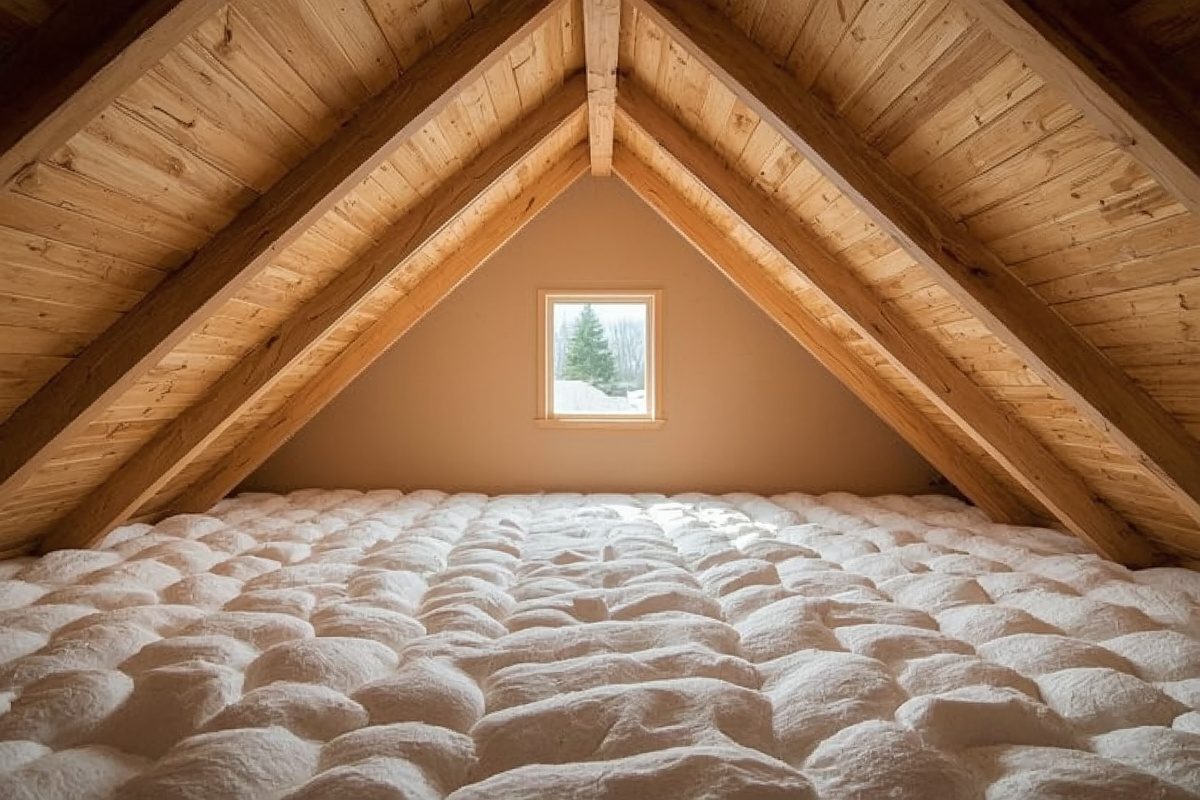
How can you check your own attic ventilation?
You can learn a lot with a quick look, safely and from the attic hatch:
- Look at the soffits from outside. Make sure the vents are open and not painted over or covered.
- In the attic, check that insulation is not pressed against the underside of the roof deck at the eaves.
- Look for daylight or moving air at the ridge, and for any dampness, rust or dark staining.
- On a cold day, notice whether the attic feels much warmer than the outdoors.
Do not walk on the roof in winter. Snow and ice make it dangerous, and a professional inspection will cover what you cannot see from the ground.
Frequently Asked Questions
Why is attic ventilation important?
Attic ventilation moves moist, warm air out and brings cooler air in. That limits ice dams, mold and heat damage, and helps your roofing last longer and your home stay more comfortable all year.
Can a roof have too much ventilation?
Yes. Too many vents, or mixed types that fight each other, can short-circuit airflow and pull conditioned air from the house. Balanced intake and exhaust is the goal, not simply more vents.
Do ice dams always mean a ventilation problem?
Not always. Air leaks from the living space, thin insulation and the roof shape can also cause ice dams. Poor ventilation is a common factor, so it is one of the first things to check.
Should I add vents when I replace my roof?
A replacement is the best time to review ventilation. Ask your roofer to inspect the existing vents and the attic and recommend changes only where they are needed.
How often should I have my roof and attic checked?
A yearly look, ideally before winter, catches most problems early. Check again after any major hail or wind storm.
Talk to a Denver roofer about ventilation
If you are seeing ice dams, damp insulation or an attic that never seems to regulate, ventilation may be the missing piece. Horn Brothers Roofing serves homeowners and commercial property owners across Denver, Montrose and Colorado, and we are happy to look at your roof and attic and explain what we see. For general guidance on home airflow and energy, the U.S. Department of Energy is a helpful resource.
Request a free estimate and let us help you protect your roof through the winter ahead.