
When it’s time to replace a roof, most homeowners default to the “standard” asphalt shingle. It’s familiar, but it’s also temporary—usually lasting only 10 to 12 years before weather and wear take their toll. If you are looking for a premier, long-range roofing solution that combines the structural integrity of metal with the classic aesthetic of stone, stone-coated steel is the gold standard.
But what exactly is it, and why is it consistently outperforming traditional materials in every category?
What is Stone-Coated Steel?
At its core, stone-coated steel is a high-tech composite roofing system. It isn’t just a painted piece of metal. It is engineered using multiple layers of protection to ensure it survives the elements for half a century or more.
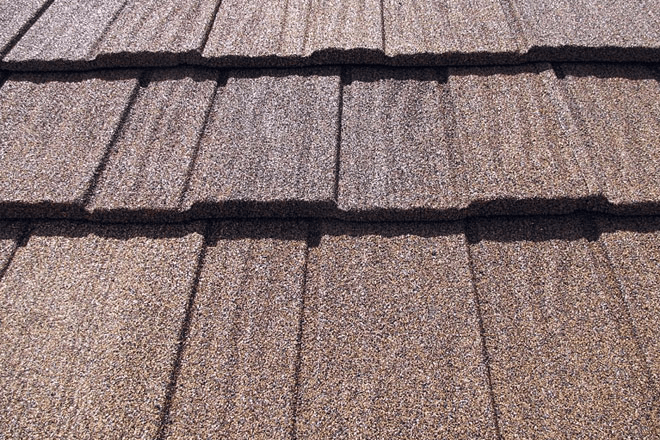
How It’s Made:
- The Steel Core: The process begins with high-grade structural steel. This steel is typically coated in Galvalume® (an aluminum-zinc alloy), which provides industry-leading corrosion resistance.
- The Basecoat: A proprietary acrylic polymer adhesive is applied to the steel.
- The Stone Granules: Natural stone granules (often basalt or granite) are embedded into the basecoat. These provide the color, texture, and UV protection.
- The Clear Glaze: A final acrylic overglaze is applied to lock the granules in place and give the roof a non-porous finish.
Why It Surpasses Traditional Shingles
While the initial investment in stone-coated steel is higher than asphalt, the long-term value is unmatched. Here is how it compares:
- Extreme Weather Resistance : Traditional shingles often peel or crack in high winds. Stone-coated steel is rated for winds up to 180 mph. It also carries a Class 4 Impact Rating—the highest rating available—meaning it can withstand “Very Severe Hail” (VSH) without fracturing. Additionally, it is Class A Fire Rated, offering the best possible protection against wind-blown embers.
- Energy Efficiency & “Above Sheathing Ventilation”: Many homeowners worry that a metal roof will make their house hotter. In reality, the opposite is true. These systems are designed with Above Sheathing Ventilation (ASV). This creates a trapped airspace between the roof deck and the panels, acting as an insulating barrier. This helps resist solar heat in the summer and provides an additional layer of thermal insulation in the winter, making it easier to maintain a consistent, cozy temperature throughout your home.
- Lightweight Longevity: Despite its “heavy” stone appearance, stone-coated steel is incredibly lightweight. This puts less stress on your home’s structure compared to heavy clay tiles or thick wood shakes. Most systems come with a 50-year limited warranty, meaning it is likely the last roof you will ever need to buy.
- Lower Insurance Premiums: Upgrading to stone-coated steel is a strategic risk-reduction move that often rewards homeowners with significant insurance premium discounts. Because these systems carry a Class 4 Impact Rating — the highest industry standard for hail resistance — many insurers offer premium credits ranging from 10% to 30%. By providing your agent with the Class 4 certification, you can often secure “Wind Mitigation” credits and lower your out-of-pocket storm deductibles, allowing the annual insurance savings to effectively pay back the initial investment over the life of the roof.
The Bottom Line
If you are tired of the “re-roofing cycle” every decade, stone-coated steel offers a 100% recyclable, low-maintenance, and aesthetically beautiful alternative. It provides the dimensionality of a thick-cut asphalt shingle or wood shake with the “unsurpassed strength” of structural steel.
